What Is the Difference Between Security Guards and Fire Watch Guards?

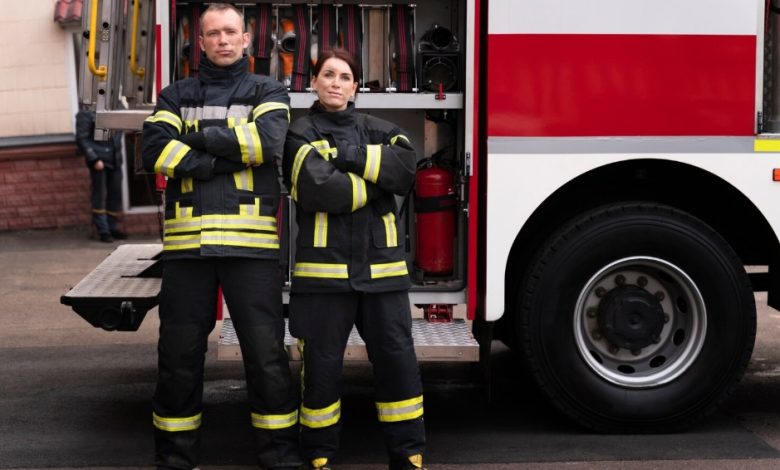
Uniformed guards on the property entrance may seem like the perfect person to reach out to when additional security is needed. However, security coverage and fire watch coverage play different roles. While one takes care of security threats, the other is assigned to identify and mitigate the fire dangers.
The knowledge of the difference between security and fire watch coverage becomes critical when the property has temporary fire risk, an impaired fire protection system, or any work creating higher fire risk. In such cases, nationwide fire watch coverage can help you with dedicated personnel in case when your property needs fire monitoring, and not just security coverage.
Security Guards and Fire Watch Guards Have Different Jobs
The most basic explanation of the difference between these services lies in the nature of the threat addressed.
Typically, the security guard protects people, property, and restricted areas from threats, including:
- Unauthorized access
- Theft or vandalism
- Trespassing
- Security incidents
- Property damage
Fire watch guards are focused on fire protection. They are often assigned to watch for fire or indications of it and take required measures in case there is any hazard.
The two roles may coincide in some cases, but they definitely should not be considered interchangeable.
What Does a Security Guard Actually Do?
A security guard’s duties depend on the property and assignment.
Common responsibilities include:
- Monitoring entrances
- Checking credentials
- Conducting security patrols
- Observing surveillance systems
- Managing visitors
- Reporting incidents
For example, a security guard may notice someone entering a restricted mechanical room without authorization. Their response would focus on the security issue.
That same guard is not automatically qualified or assigned to provide an approved fire watch simply because they are already patrolling the building.
What Does a Fire Watch Guard Do?
Fire-watch duties are centered on detecting fire and responding to fire hazards within the assigned area.
The specific requirements depend on why the fire watch has been established. For example, fire-watch personnel may be required to patrol affected areas, maintain communication, monitor for signs of fire, know the location of extinguishing equipment, and report an emergency without delay.
OSHA’s hot-work rules provide a clear example of how focused this role can be. For covered shipyard operations, a fire watch must have a clear view and immediate access to the assigned areas, be able to communicate with workers, and be trained to detect and respond to fires. OSHA also says the fire watch cannot be assigned other duties while hot work is in progress.
That does not mean every fire watch assignment follows this exact OSHA rule. Hot-work fire watch requirements are different from fire watch arrangements used for other fire protection concerns.
Can a Security Guard Also Serve as a Fire Watch?
Sometimes a property may already have security personnel available, which raises an obvious question: can the same person perform both jobs?
The answer depends on the specific assignment, applicable requirements, training, and instructions from the authority having jurisdiction.
The key issue is whether other security responsibilities interfere with the fire-watch function. If a guard is expected to spend time checking visitor credentials, monitoring an entrance, responding to security incidents, and watching for fire at the same time, the fire-monitoring role may not receive the continuous attention it requires.
For covered hot-work situations, OSHA specifically prohibits assigning other duties to a fire watch while the hot work is underway.
When Does a Property Need Fire Watch Coverage?
Fire watch may become necessary when a specific fire hazard or temporary loss of fire protection increases risk.
Situations can include:
- Certain hot-work operations
- Sprinkler or fire alarm impairments
- Construction and renovation
- Temporary fire protection conditions
- Other situations identified by the applicable fire code or AHJ
The reason for the fire watch matters. A person watching welding work for sparks has a different assignment from someone monitoring an occupied building while a fire protection system is temporarily unavailable.
What Should You Look for in a Fire Watch Service?
When dedicated coverage is needed, look beyond the fact that personnel are physically present. The service should match the actual fire-watch assignment.
A nationwide fire watch provider may be useful for organizations managing multiple properties that need consistent coverage, defined patrol procedures, communication protocols, shift continuity, and clear reporting.
Before assigning coverage, consider:
- Training relevant to the fire-watch duty
- Defined patrol areas
- Communication methods
- Emergency escalation procedures
- Shift coverage
- Patrol documentation
- Understanding of site-specific hazards
The goal is to make sure the assigned personnel are prepared for the actual risk they are expected to monitor.
Security Guard vs. Fire Watch Guard: A Simple Comparison
| Factor | Security Guard | Fire Watch Guard |
|---|---|---|
| Primary focus | Security | Fire safety |
| Main threat | Intrusion, theft, vandalism | Fire and ignition hazards |
| Patrol purpose | Monitor security risks | Detect fire or fire hazards |
| Response | Security incident | Fire-related emergency |
| Training focus | Security procedures | Fire-watch duties relevant to the assignment |
| Records | Security reports | Fire-watch or patrol records where required |
Choose Coverage Based on the Actual Risk
The right question is not simply whether a property already has a guard. It is what risk that person has been assigned and trained to monitor.
A security guard can provide valuable protection against security threats. A fire-watch guard serves a different function when a property needs dedicated fire monitoring. Understanding that distinction helps facility managers assign the right coverage instead of assuming that one uniform or job title covers every safety need.