Paragraph on Tree Plantation for Students: Easy English Guide


Trees are one of the most valuable gifts of nature. They support life by providing oxygen, reducing pollution, maintaining ecological balance, and creating habitats for countless living beings. However, rapid urbanization, deforestation, and environmental damage have reduced the number of trees around the world. Tree plantation has become an important step toward protecting the environment and ensuring a healthier future. A well-written paragraph on tree plantation helps you understand the importance of planting trees and the role they play in preserving nature. Trees help control climate change, conserve natural resources, prevent soil erosion, and improve the quality of life. Whether you are a student, a community member, or an environmental supporter, participating in tree plantation activities can create a positive impact. By planting and protecting trees today, you can contribute to building a cleaner, greener, and safer planet for future generations.
Paragraph on Tree Plantation 150 Words
Tree plantation means planting trees in different areas to increase greenery and protect the environment. Trees play a significant role in maintaining the balance of nature by absorbing carbon dioxide and releasing oxygen. They help reduce air pollution, prevent soil erosion, and provide shelter to birds and animals. Due to increasing deforestation and environmental problems, planting trees has become necessary for protecting our planet.
Schools, communities, and governments often organize plantation programs to encourage people to grow more trees. When you plant a tree, you contribute to a cleaner and healthier environment. However, planting trees alone is not enough; you also need to take care of them by providing water and protection. Every individual has a responsibility to preserve nature. By planting more trees today, you can help create a greener and safer world for future generations.

Paragraph on Tree Plantation 250 Words
Tree plantation is the process of planting trees in different places to increase forest cover and protect the environment. Trees are essential for human survival because they provide oxygen, absorb harmful gases, and help maintain a stable climate. In today’s world, deforestation, industrial growth, and urban expansion have caused serious environmental problems, including rising temperatures, air pollution, and loss of biodiversity. This is why planting trees has become an important activity worldwide.
Trees provide numerous benefits to humans, animals, and the environment. They reduce the amount of carbon dioxide in the atmosphere and help control the effects of global warming. Their roots hold the soil together, reducing soil erosion and improving land quality. Trees also provide fruits, medicines, wood, shade, and shelter for different living organisms. A greener environment creates healthier surroundings and improves the beauty of an area.
Schools and communities can play an important role in promoting tree plantation activities. Students can participate in plantation drives and learn about the importance of protecting nature. Government organizations and environmental groups also encourage people to plant trees in public spaces, roadsides, and unused areas.
Planting trees is not just an environmental activity but also a responsibility toward future generations. However, young plants require proper care, including regular watering and protection from damage. Choosing suitable native trees can provide better results because they adapt easily to local conditions. By making tree plantation a part of daily life, you can contribute to a cleaner, healthier, and more sustainable planet.
Paragraph on Tree Plantation 300 Words
Tree plantation is one of the simplest yet most effective ways to protect the environment. It refers to the activity of planting trees in different areas to increase green cover and maintain ecological balance. Trees are often called the lungs of the Earth because they absorb carbon dioxide and release oxygen, which is essential for all living beings. With growing population, urban development, and deforestation, the number of trees has decreased significantly, creating several environmental challenges.
Planting trees provides many benefits to nature and society. Trees help reduce air pollution by filtering harmful pollutants from the atmosphere. They also play a major role in controlling climate change by storing carbon and reducing the impact of rising temperatures. Tree roots prevent soil erosion by holding the soil firmly, while forests support countless species of birds, animals, and insects. Apart from environmental advantages, trees provide fruits, wood, medicines, shade, and other resources that are useful in everyday life.
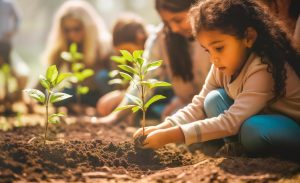
Plantation programs conducted by schools, communities, and government organizations encourage people to understand their responsibility toward nature. Students can actively participate by planting saplings in schools, parks, and local areas. However, planting a tree does not end after placing a sapling in the soil. Proper care, regular watering, and protection are necessary to help young trees grow successfully.
Individual efforts play an important role in protecting the environment. Even a single tree planted today can provide benefits for many years. People should choose native tree species because they grow better in local conditions and support nearby ecosystems. Small actions taken by individuals can create a major positive impact when communities work together.
In conclusion, planting trees is a powerful solution for creating a healthier and greener planet. By planting and protecting trees, you can help reduce pollution, conserve natural resources, and ensure a better environment for future generations. Everyone should participate in plantation activities and encourage others to protect nature. The efforts we make today can shape a cleaner and more sustainable world tomorrow.
Wrapping Up
Tree plantation is a meaningful step toward protecting nature and maintaining environmental balance. Trees provide oxygen, reduce pollution, prevent soil erosion, support wildlife, and make our surroundings healthier. A paragraph on tree plantation teaches you that planting trees is not only about increasing greenery but also about accepting responsibility for the future of our planet. Although planting one tree may seem like a small action, its benefits can continue for decades when it receives proper care and protection. Students, communities, and organizations should actively participate in tree plantation programs and spread awareness about environmental conservation. By planting more trees and protecting existing forests, you can help create a cleaner, greener, and more sustainable Earth for future generations. Every tree planted today is a valuable contribution toward a healthier environment tomorrow.
Frequently Asked Questions (FAQs)
Q1. What is tree plantation?
Tree plantation is the process of planting trees in different areas to increase green cover, improve the environment, and maintain ecological balance. It helps reduce pollution and supports life on Earth.
Q2. Why is tree plantation important?
Tree plantation is important because trees provide oxygen, reduce air pollution, prevent soil erosion, support wildlife, and help control climate change. Planting more trees creates a healthier environment for future generations.
Q3. How can students contribute to tree plantation?
Students can contribute by planting saplings in schools, homes, and local areas. They can also participate in environmental campaigns and spread awareness about the importance of protecting trees.
Q4. Which trees are best for plantation?
Native trees such as neem, banyan, peepal, mango, and jamun are often suitable for plantation because they adapt well to local conditions and support nearby ecosystems.
Q5. Why is taking care of planted trees necessary?
Taking care of planted trees is necessary because young saplings need water, protection, and regular maintenance to grow properly. Proper care ensures that trees survive and provide long-term environmental benefits.