A Guide To Spot Genuine Organic Labeled Coffee Bean

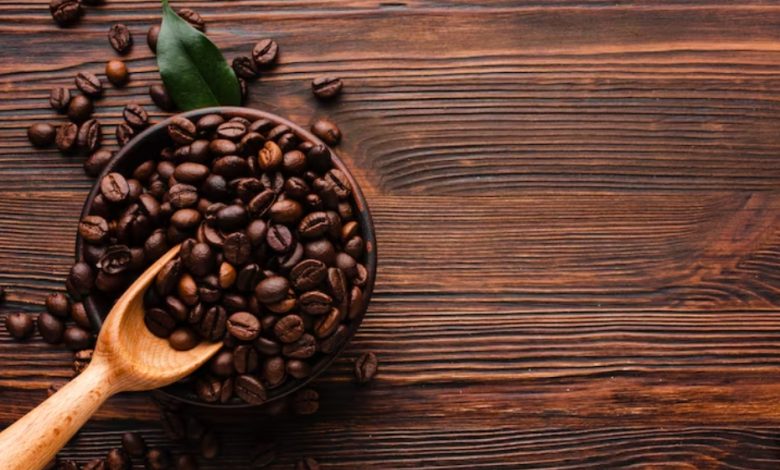
Many people are confused on how to determine a real organic coffee. They favored organic coffee beans the most because of being chemical free. It is specialty-grade coffee, as it is tested for mycotoxins and mold.
Organic coffee matters!
An organic coffee avoids synthetic pesticides. It means you choose to be committed to:
- cleaner farming practices
- healthier beans
- more sustainable environment
Organic certification alone does not guarantee the healthiest cup. You can truly benefit from being organic by looking for:
- specialty-grade beans
- third-party lab-tested for:
- mold
- mycotoxins
- roasted beans that preserve antioxidants
An organic label falls short of the optimum health impact without those. It is important to keep an eye on the important details.
Organic coffee is better for health
Organic coffee is healthier than the conventional counterparts. It is grown without:
- health-harming pesticides
- herbicides
- fungicides
Conventionally grown coffee is a chemically treated beverage on the market. These chemicals can hurt the coffee farmers and ecosystems due to the large amounts of:
- chemical fertilizers
- pesticides
Yet, even organic coffee falls short.
For example:
Organic certification does not address essential factors, such as:
- quality grade of the coffee beans
- testing for mold and mycotoxins
The organic label does not ensure they roast their beans with the safest methods. This avoids unsafe byproducts and preserves coffee’s healthy antioxidants.
What makes organic coffee healthy?
Growth naturally
97% of coffee beans worldwide are non-organic. They are treated with:
- pesticides
- herbicides
- fungicides
- other chemicals
Imagine these chemicals make your morning brew. Some developing countries grow their coffee with no regulations on the pesticides and chemicals used. This means farmers spray their crops with about anything. Some chemicals used by farmers are banned to some countries like:
- America
- Europe
- Japan
Organic coffee is grown without using these toxic substances. It is the simplest solution to ensure a cup of coffee without pesticide residues. It is the healthier choice!
Better soil and water quality
Organic farming produces safer coffee for human consumption. It is more beneficial for the environment where coffee is grown. Farmers use more sustainable practices of growing coffee without toxic chemicals. These practices prove to increase soil nutrients.
One eco-friendly coffee farming method uses shade trees. It protects the coffee plants from overexposure to sunlight. Shade trees keep the coffee beans in their prime condition. The foliage supplies extra nutrients to the soil. This results in higher quality coffee beans.
Shade trees eliminate the need for pesticides. They preserve the local ecosystem by creating clean:
- Soil
- Water
The local system will be prevented from:
- deforestation
- reduces carbon dioxide levels
Safer for coffee growers
Organic coffee is healthier for personal consumption. It is more sustainable for the environment. It is safer for the coffee growers. Hard-working coffee growers will no longer be in contact with dangerous chemicals when growing coffee organically.
FAQs
How can I tell if an organic-labeled coffee is not the healthiest?
You will know an organic-labeled coffee is not the healthiest if:
- It does not address bean quality
- Organic coffee contains mold and mycotoxins
- Organic coffee is improperly roasted
- Not requiring organic coffee to be lab-tested
What makes a coffee certified organic?
Coffee labeled organic is grown without:
- synthetic fertilizers
- herbicides
- fungicides
- processed under specified standards
Is organic coffee free from using pesticides?
Beans are exposed to mycotoxins from:
- poor storage
- mold growth
Organic certification does not guarantee testing for:
- mold
- mycotoxin
How much of a difference does organic coffee make for health?
Organic coffee offers benefits, such as:
- fewer chemical residues
- potentially higher antioxidants
The actual health impact depends on:
- bean quality
- roast methods
- storage
Choose beans that are organic and specialty-quality to maximize potential benefit.