Computer Composition for Class 5, 6, 7, 8, 9, SSC & HSC

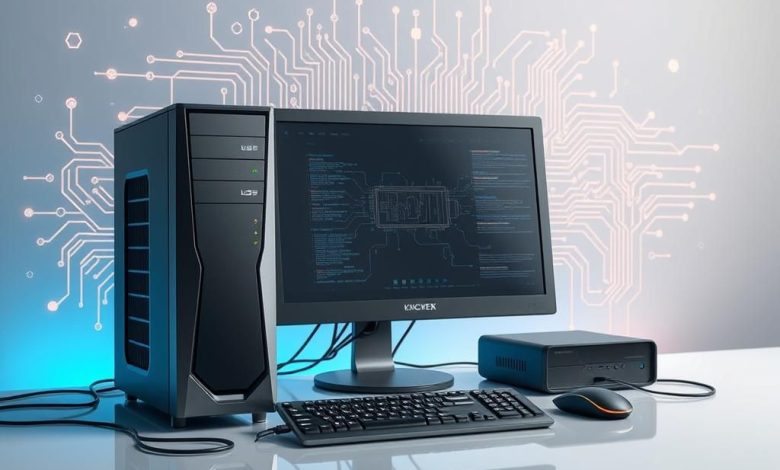
Computer composition explains the internal structure of a computer system and how all its parts work together to process information. It includes both hardware and software elements that handle input, processing, storage, and output in a coordinated way. Every modern device, from simple desktops to advanced smartphones, follows the same basic composition model. Understanding this topic helps you clearly see how data moves inside a computer and how results are generated from user commands. It is an essential concept for students because it builds strong fundamentals in technology, logical thinking, and problem-solving, which are useful in both academics and real-life digital applications.
Computer Composition for Class 5
A computer is an electronic machine that helps us do many useful tasks easily. It works when we give instructions through input devices like a keyboard and mouse. The CPU processes the information, and the monitor shows the result. We can use a computer to draw pictures, write sentences, play learning games, and watch educational videos. It is used in schools, homes, and offices. Computers make learning fun and work faster. It is important for students to learn how to use a computer safely and correctly.
Computer Composition for Class 6
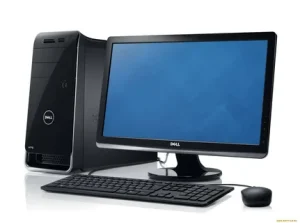
A computer is a smart electronic device that processes information and gives accurate results. It has two main parts: hardware and software. Hardware includes physical components like keyboard, mouse, and CPU, while software includes programs that control the computer. A computer takes input, processes it, stores data, and produces output. It is used in education, communication, banking, and entertainment. Computers are very helpful in daily life because they save time and make work easier.
Computer Composition for Class 7
A computer is an advanced electronic machine that works on the input-process-output system. Input devices send data into the computer, the CPU processes it, and output devices display the result. It can store a large amount of data for future use. Computers are used in schools for learning, in offices for documentation, and in homes for entertainment and communication. They help people complete tasks quickly and accurately. Computers have become an important part of modern life.
Computer Composition for Class 8
A computer is a combination of hardware and software that works together to process data efficiently. The CPU is the main part that controls all operations. Memory like RAM and ROM helps in storing temporary and permanent data. The motherboard connects all internal parts of the computer. Computers can perform multiple tasks at high speed and store large amounts of information. They are widely used in education, science, business, and technology. Computers make complex work simple and fast.
Computer Composition for Class 9
A computer is an electronic device designed to process data and perform calculations, comparisons, and logical operations at high speed. It works on the principle of input, processing, storage, and output, where each stage is handled by different components of the system. The CPU plays a central role by executing instructions and controlling all activities inside the computer. The Arithmetic Logic Unit performs mathematical and logical operations, while the Control Unit manages the flow of data and instructions.
Memory is another important part of a computer system. Primary memory like RAM is used for temporary storage during processing, while ROM contains permanent instructions required to start the system. Data moves between memory and CPU through system buses, ensuring smooth communication. Computers are widely used in education, science, business, and communication because they can handle large amounts of data efficiently. They also support multitasking, allowing users to perform multiple operations at the same time without slowing down the system.
Computer Composition for SSC
A computer is a highly advanced electronic machine that processes information systematically using a set of instructions known as programs. It is built on a structured architecture consisting of input units, processing units, output units, and storage units. Each unit performs a specific function, and together they form a complete computing system.
The CPU is considered the brain of the computer because it executes all instructions. It works through two major components: the Arithmetic Logic Unit, which handles calculations and decision-making, and the Control Unit, which coordinates all operations. Memory plays a vital role in system performance. Primary memory includes RAM and cache memory, which provide fast access to data, while secondary memory such as hard disks and SSDs stores data permanently.
In addition, the concept of data processing cycles explains how information enters the system, gets processed, and is delivered as output. Computers are used in almost every sector, including banking, education, healthcare, engineering, and communication. They help improve accuracy, reduce manual effort, and increase productivity. Understanding computer systems at this level is essential for academic examinations and practical applications in real life.
Computer Composition for HSC
A computer is an advanced programmable electronic system that processes vast amounts of data with speed, accuracy, and reliability. It operates through a well-defined architecture that integrates hardware and software components to execute complex tasks efficiently. The interaction between these components enables modern computing systems to support applications such as artificial intelligence, data analytics, cloud computing, and automation.
The CPU is the core processing unit of the system and is responsible for executing instructions in a structured sequence. It consists of the Arithmetic Logic Unit for performing computations and logical decisions, the Control Unit for managing instruction flow, and registers that temporarily store data during processing. The performance of a computer system is significantly influenced by clock speed, cache memory, and processor architecture.
Memory management is another critical aspect of computer composition at this level. RAM provides fast temporary storage, while ROM stores essential startup instructions. Advanced systems also use virtual memory to extend processing capability. Input-output systems manage communication between the computer and external devices, ensuring seamless data exchange.
Modern operating systems play a crucial role in resource management, multitasking, and process scheduling. They allocate CPU time, manage memory usage, and control peripheral devices efficiently. Computers are now deeply integrated into every field, including scientific research, medical diagnosis, engineering design, business analytics, and global communication networks.
With the rise of emerging technologies such as machine learning, big data, and cloud infrastructure, computers have become more powerful and intelligent. Understanding computer systems at the HSC level not only strengthens academic knowledge but also prepares students for higher education and professional careers in the rapidly evolving digital world.
Conclusion
Computer composition is the foundation of understanding how a computer works internally and how different components interact to complete tasks efficiently. From basic recognition in early classes to advanced technical knowledge in higher studies, this topic gradually builds stronger understanding at every level. It helps students learn how data is processed, stored, and output through a structured system. Mastering composition writing not only supports academic performance but also builds essential skills for future careers in technology, making it a key subject in computer education.